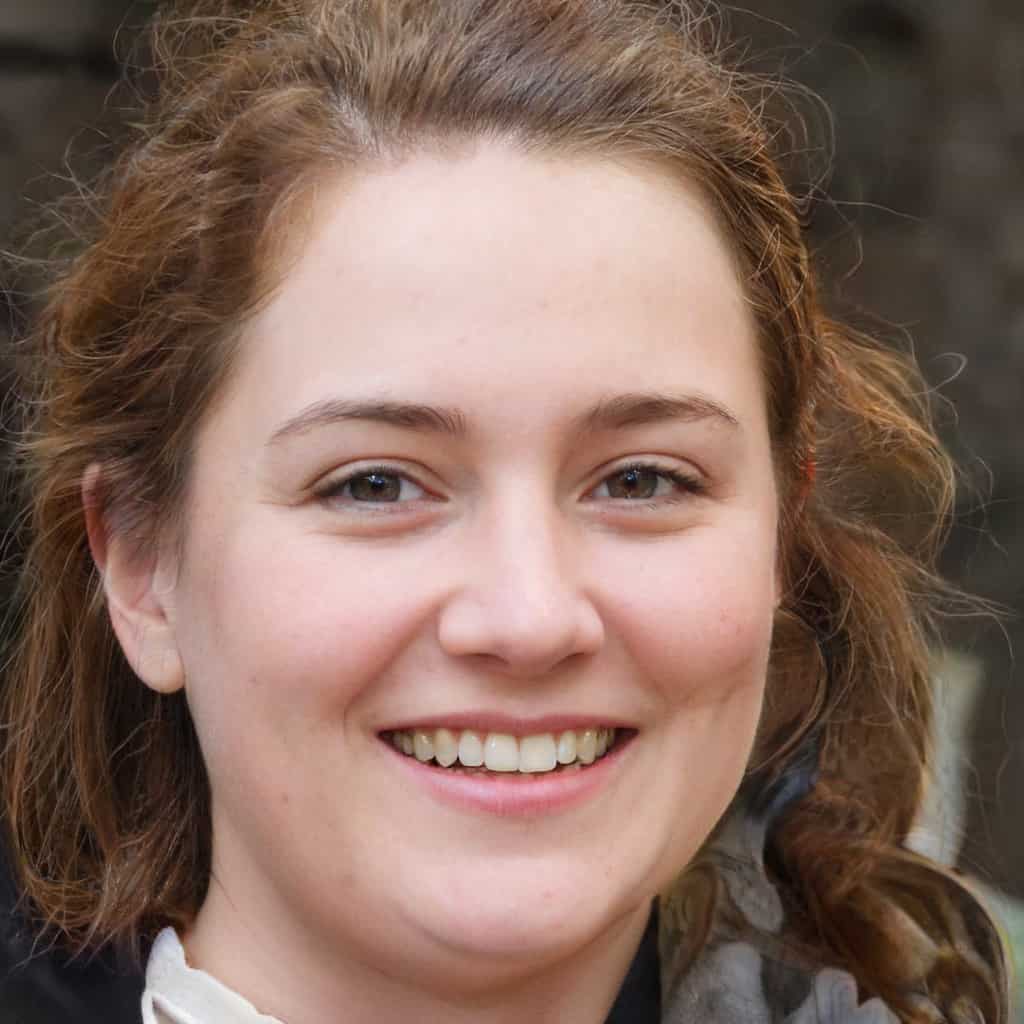
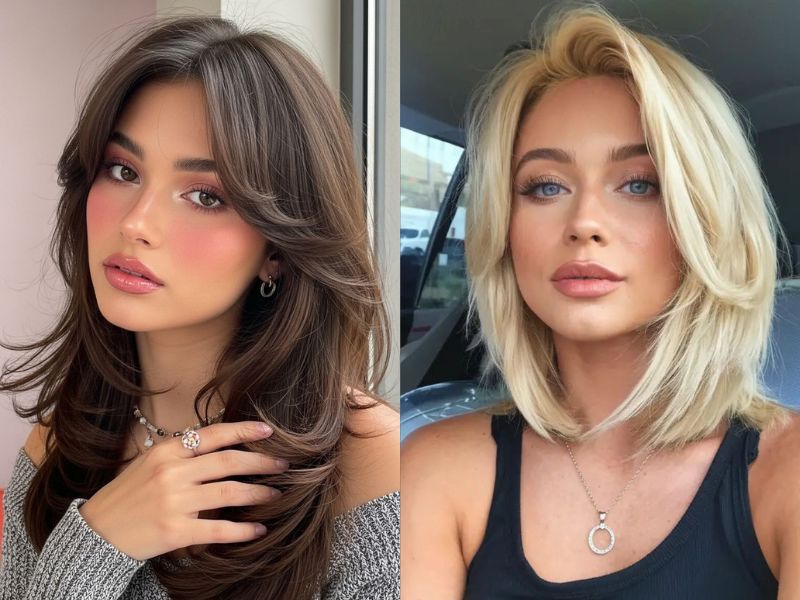
Face framing layers are small, front layers that shape the hair around your face. They can make your haircut look softer, add movement, and help your hair sit better without cutting a lot of length. They work with short hair, medium length hair, and long layered haircuts.
This style is also easy to change. You can keep face framing layers long and soft, or add bangs like curtain bangs or side-swept bangs. The goal is simple: make your face look balanced and make your hair easier to style.
14 EASY FACE FRAMING LAYERS IDEAS
1. Face framing layers for long hair with curtain bangs
Face framing layers make long hair look softer and more styled, even when you wear it down. Curtain bangs open the face and blend into the front layers for a natural look.
For easy styling, do a quick blowout and turn the front pieces away from the face. Add loose waves to show the layers. Use light hairspray so curtain bangs stay in place but still move.
2. Face framing layers with side swept bangs
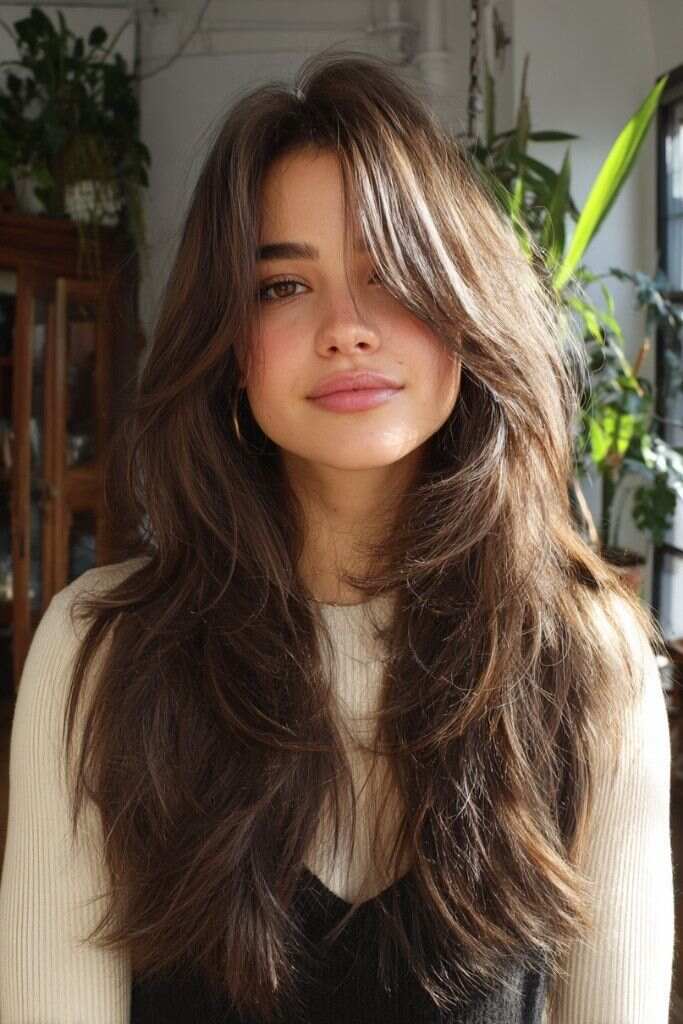
Face framing layers with side swept bangs give a clean, classic look. The side bang helps shape the forehead area and blends into the front layers, so it does not feel too heavy.
This style is great if you want something simple and easy to manage. Blow-dry the bang to one side with a round brush. Finish with a tiny bit of smoothing cream for fewer flyaways.
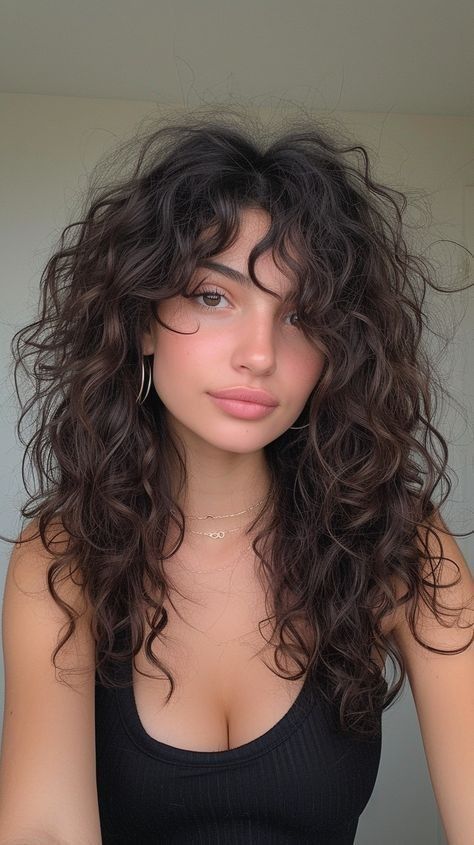
3. Face framing layers for curly hair
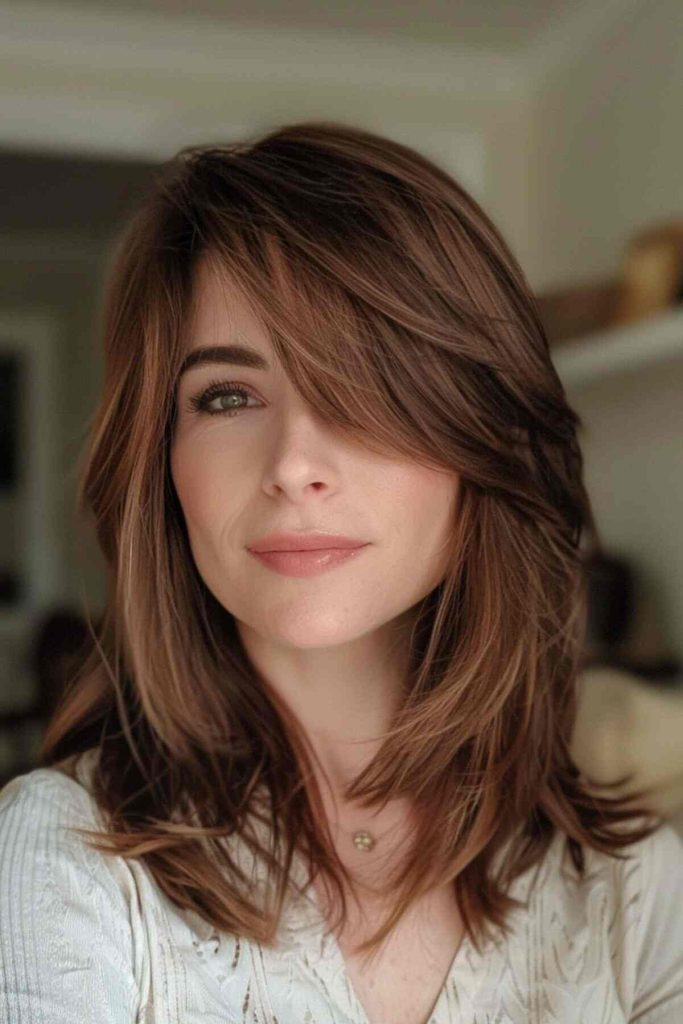
Face framing layers help curly hair sit in a better shape around the cheeks. They remove weight from the front, so curls look bouncy instead of puffy or wide.
Ask your stylist to keep the front layers a little longer, because curls shrink when they dry. Use leave-in conditioner and curl cream, then scrunch. Air-dry or diffuse on low heat for frizz control.
4. Face framing layers for chubby face
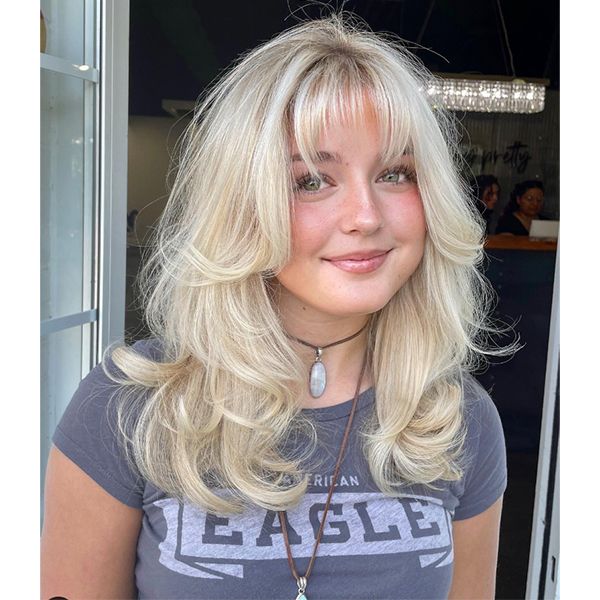
Face framing layers can flatter a chubby face by creating longer lines in the front. The best length usually starts below the chin, so the face looks more balanced.
Try a side part for extra lift at the crown. Soft waves also help because they add length without adding width. Keep the layers blended, not chunky, so they look smooth and natural every day.
5. Butterfly cut with face framing layers
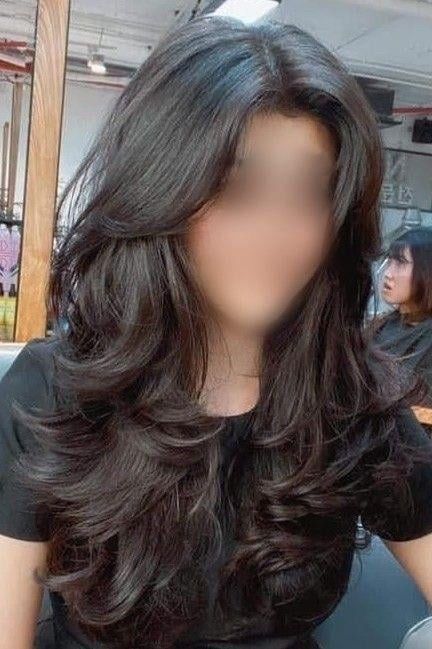
A butterfly cut uses face framing layers to add volume at the front while keeping long length in the back. It gives a full, bouncy look without making hair feel heavy.
This cut looks amazing with a blowout and flipped ends. Ask for soft, blended layers that start near the cheekbones. Use heat protectant, then finish with shine serum on the ends for a healthy finish.
6. Layered lob with face framing pieces
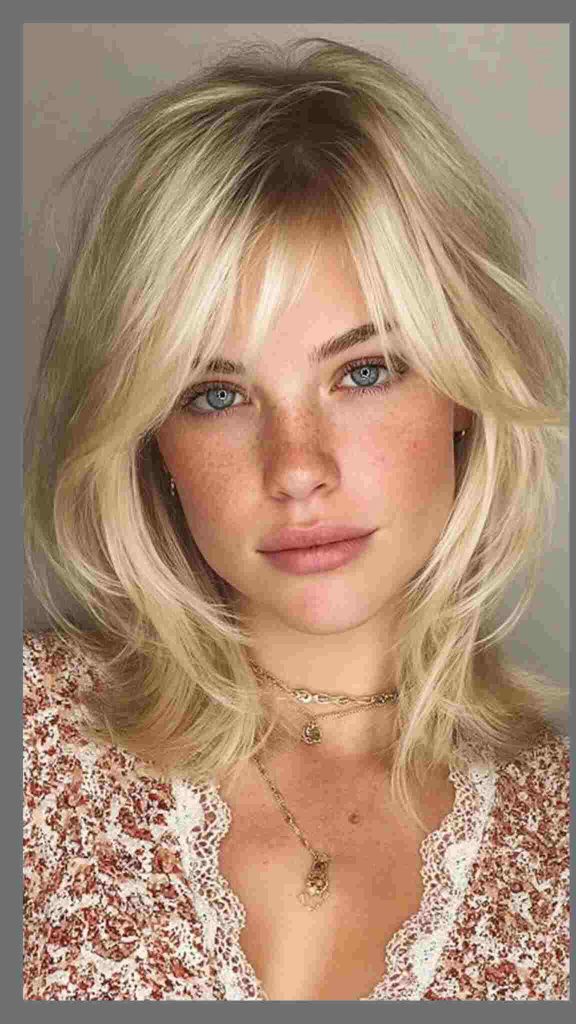
A layered lob with face framing layers is a great medium-length option. The lob keeps the length easy, and the front pieces make your haircut look more shaped and modern.
You can wear it straight for a neat look or add beach waves for texture. Use mousse for volume at the roots, then curl only the mid-lengths. A light spray helps the layers stay defined.
7. U cut long layers with face framing
A U cut keeps the back soft and rounded, so the ends look fuller. Adding face framing layers brings attention to the front and gives the haircut more movement.
This is a good choice if you want long layered haircuts that still feel thick at the bottom. Style with loose curls or a smooth blowout. Trim every 10–12 weeks to keep the U shape clean.
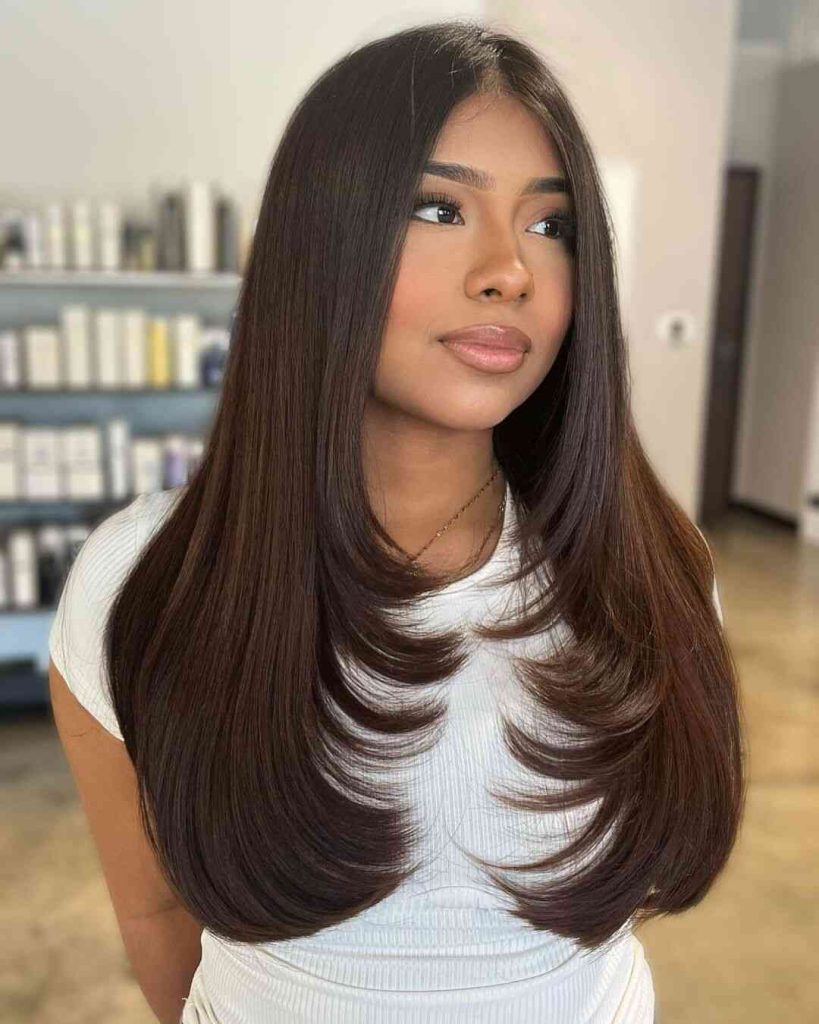
8. Shag haircut with face framing layers
A shag haircut with face framing layers gives a relaxed, textured look. The shorter layers add volume on top, and the front pieces keep the face soft and lifted.
This style works best with natural waves or a messy finish. Use sea salt spray or mousse, then scrunch and air-dry. If you blow-dry, use your fingers for an easy, lived-in look.
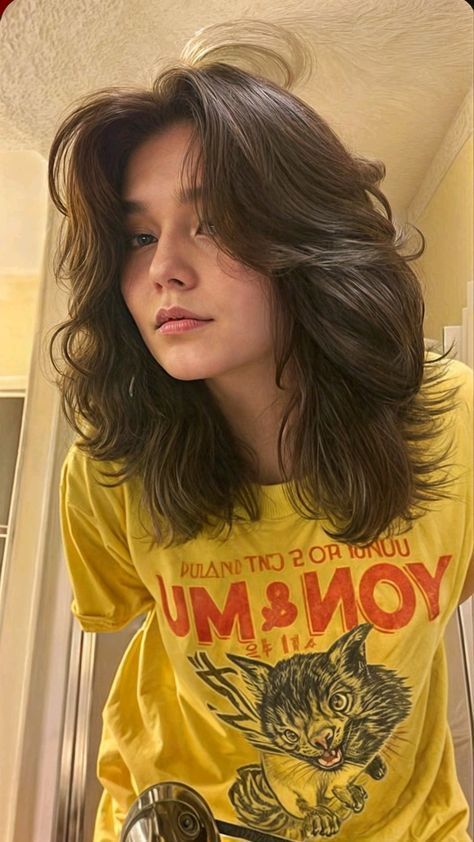
9. Curly lob with face-framing curls
A curly lob with face framing layers keeps curls neat and balanced at the front. The lob length is easy to manage, and the layers help stop the bottom from looking too wide.
Ask for rounded shaping and light layers so curls fall nicely. Use gel for curl definition, then diffuse on low heat. When dry, scrunch softly to remove stiffness and add bounce.
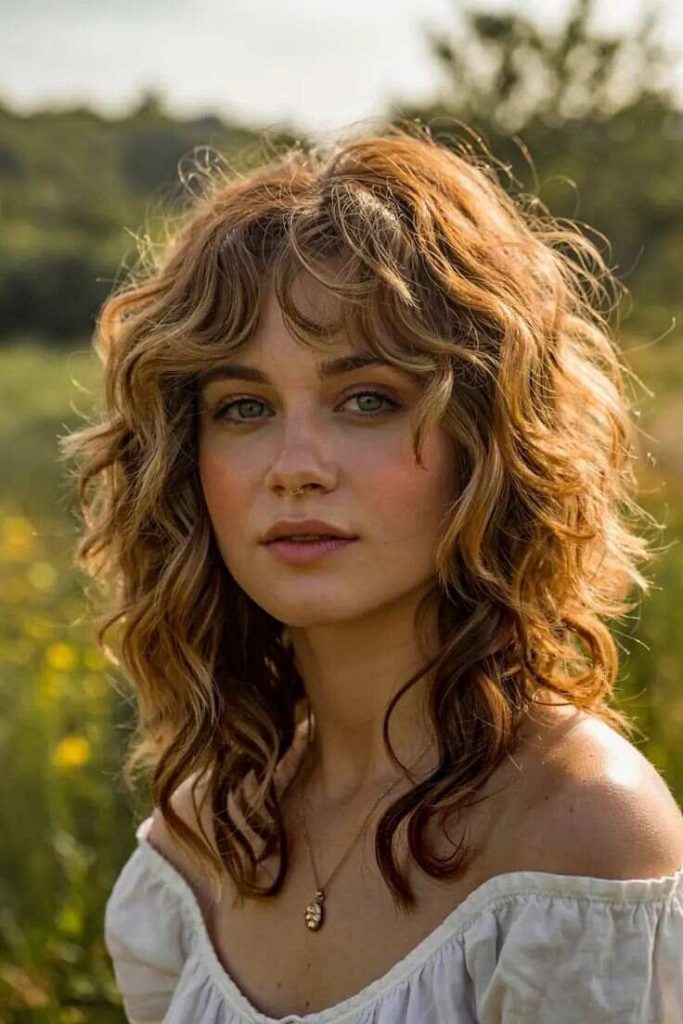
10. Pixie cut with long front layers
A pixie cut with long front layers is short, but it still gives face framing layers in the front. It softens the forehead area and makes the style feel more feminine.
Keep the sides and back tidy, and leave extra length on top for volume. Style with a tiny bit of paste and lift with your fingers. This look is fast, modern, and easy to refresh.
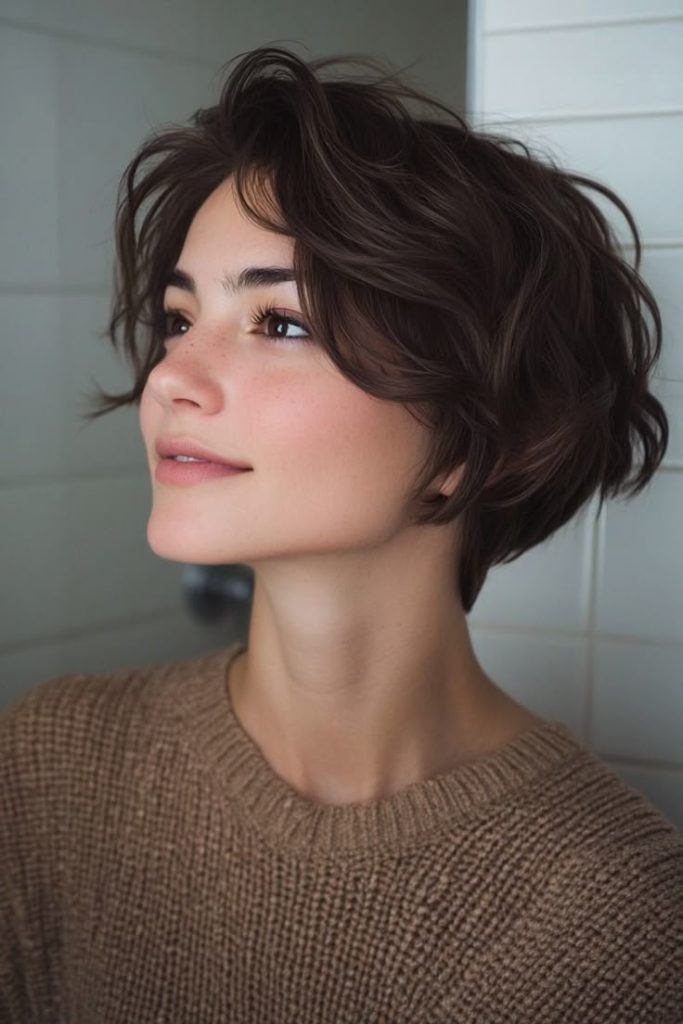
11. Face framing layers with bangs
Face framing layers with bangs give you a clear shape around the face. The bangs can be curtain bangs, side bangs, or soft straight bangs, depending on your style.
To keep it simple, blow-dry the bangs first so they sit right. Then style the layers with a round brush or loose waves. Use light hairspray, and trim bangs often so they stay neat.
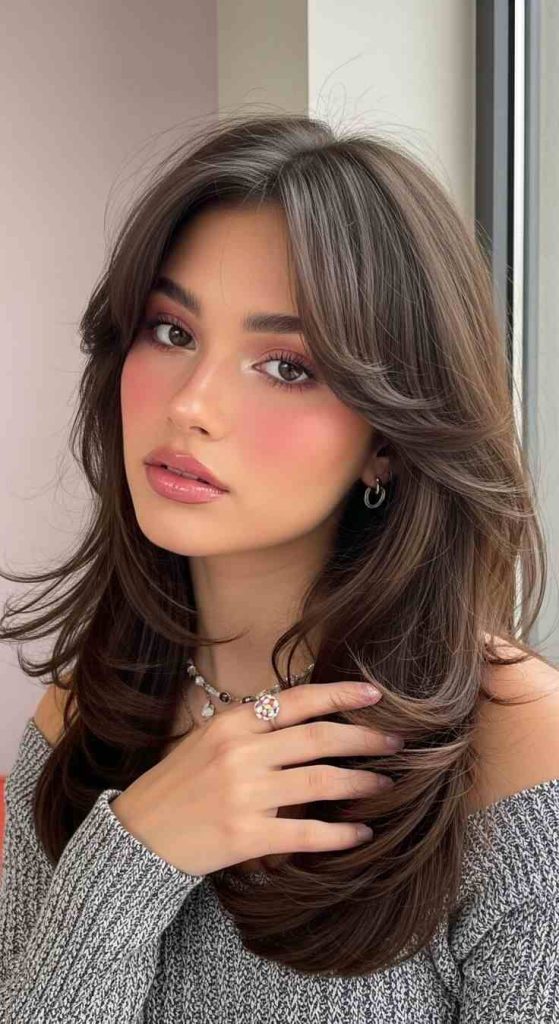
12. Face framing layers for straight hair
Face framing layers help straight hair look less flat and more styled. The front pieces add movement, so straight hair does not hang in one heavy line.
For the best result, ask for soft, blended layers that start near the cheekbones. Do a quick blowout and flip the front slightly away from the face. Add smoothing cream to keep ends sleek.
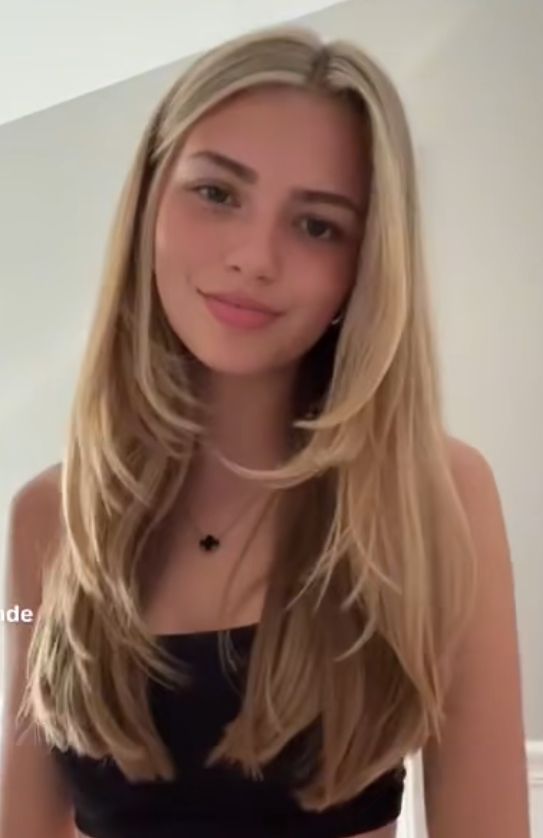
13. Medium length hair with face framing
Medium length hair with face framing layers is easy to wear and easy to style. It gives shape around the cheeks and jaw, without needing full bangs.
This works well for straight, wavy, or light curls. Add a side part for more volume, or keep a middle part for a clean look. Use mousse for lift, then finish with a light shine spray.
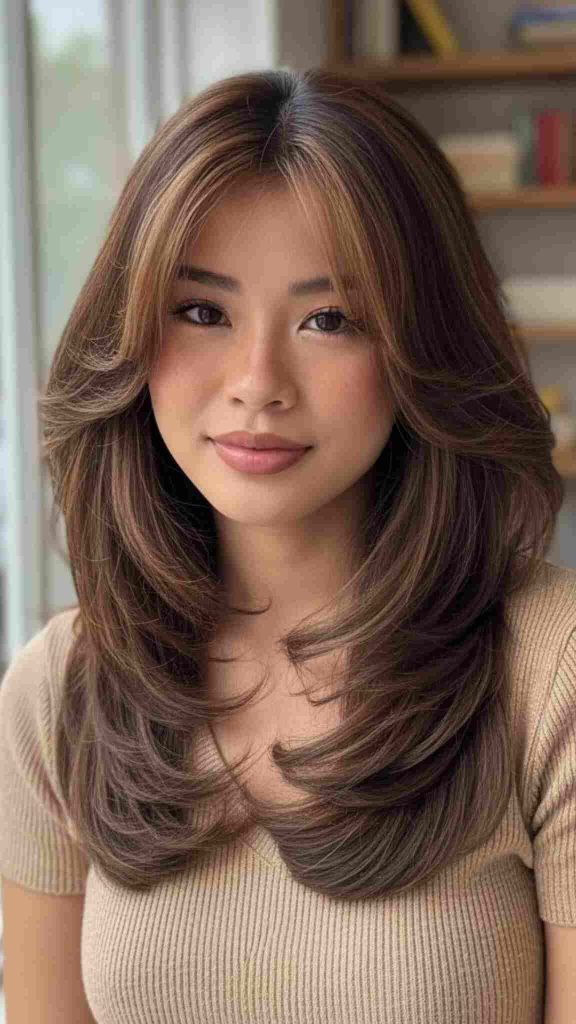
14. Blonde bob with face framing layers
A blonde bob with face framing layers looks bright and fresh. The front pieces highlight the cheekbones, and the layers keep the bob from looking too stiff or boxy.
This style looks great with a smooth blowout or soft bends. If you have highlights, waves help show the color more. Use purple shampoo sometimes to keep blonde tones clean, then add serum for shine.
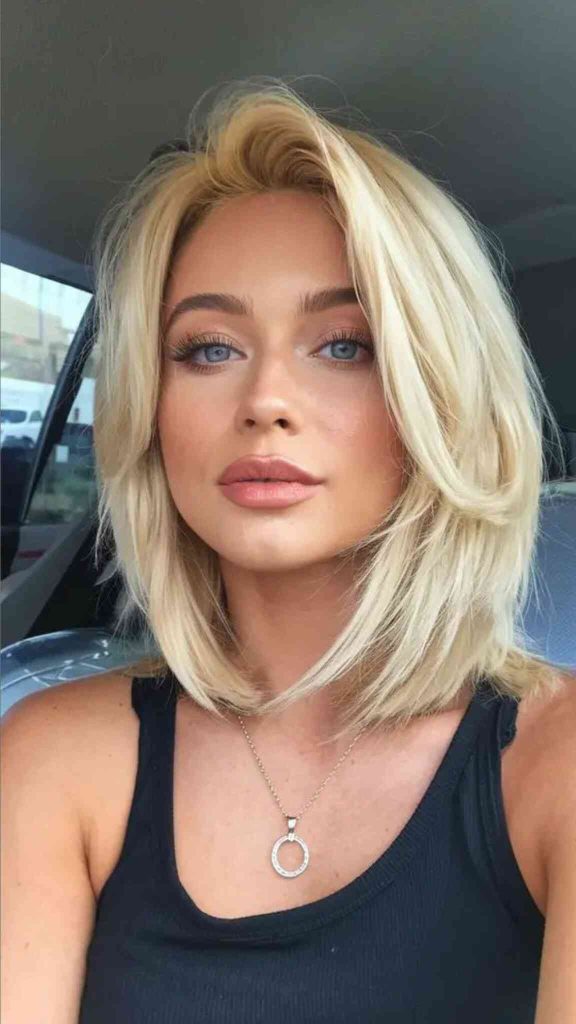
How to Choose Face Framing Layers for Your Face Shape?
For a round face, choose longer face-framing layers that start below the chin. This helps the face look longer and less wide. A side part and soft waves also help because they add height at the crown.
For a square face, ask for soft layers that start near the cheekbones and blend down. This helps soften a strong jawline. If you have an oval face, you are lucky—most face-framing layers will look good, from short pieces to longer front layers.
If you want extra change, try curtain bangs or side-swept bangs. Curtain bangs blend into face-framing layers and look natural as they grow out. Side-swept bangs can be easier if you do not want bangs to sit on your forehead all day.
How to Style and Maintain Face Framing Layers?
Face framing layers look best when they have a little lift at the roots. For straight hair, do a quick blowout with a round brush and turn the front pieces slightly away from the face. For a softer look, add loose waves with a large curling iron and brush them out gently.
If you have wavy or curly hair, keep the front layers longer and blended so they don’t spring up too short. Apply leave-in conditioner and curl cream, then scrunch and air-dry or diffuse on low heat. This helps with curl definition and frizz control around the hairline.
Frequently Asked Questions
Q: Do face framing layers work for short hair?
A: Yes, face framing layers look great on short bobs and pixie cuts. They can shape the cheeks and make short hair look less stiff and more soft.
Q: Are face framing layers hard to style?
A: No, they are usually easy to style with a quick blow-dry or soft waves. For curly hair, use curl cream and keep the layers blended to avoid frizz.
Q: Which face framing layers are best for a round face?
A: Longer layers that start below the chin are best for a round face. They help the face look longer, especially with a side part or loose waves.
Q: How often should I trim face framing layers?
A: Trim them every 6 to 10 weeks to keep the shape neat. If you have curtain bangs, you may need a quicker trim to keep them out of your eyes.
CONCLUSION
Face framing layers are a simple way to refresh your haircut without a big change. They soften the front, add movement, and can make your face look more balanced with short, medium, or long hair.
For the best result, choose a length that suits your face shape and keep the layers soft and blended. With quick styling and regular trims, face framing layers stay neat, flattering, and easy to manage every day.