
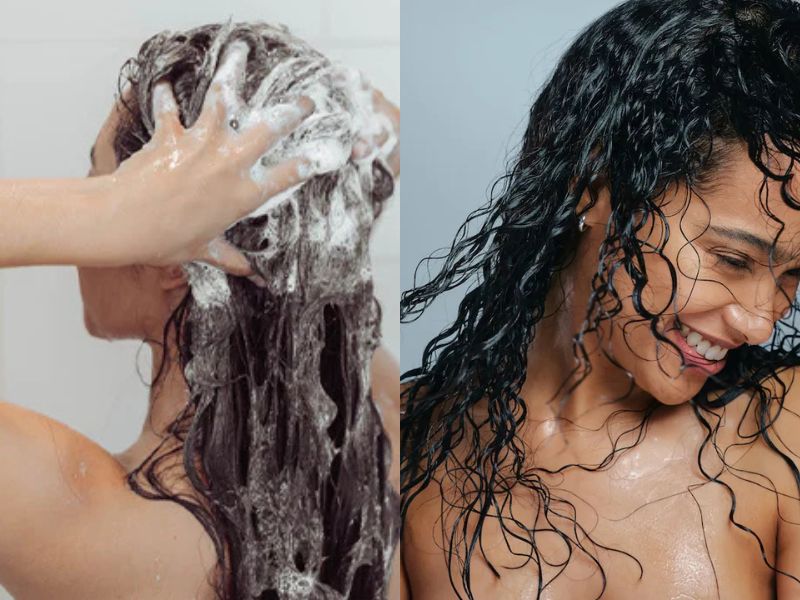
If you are trying to grow your hair, it is normal to wonder if washing too often is slowing you down. The truth is simple: washing your hair does not directly change how fast it grows from the root, but it can strongly affect how well you keep your length.
A clean, calm scalp supports healthy hair growth. On the other hand, too much washing can dry out hair and increase breakage, while too little washing can lead to buildup that may irritate the scalp. In this guide, you will learn how often to wash hair for growth based on your scalp type, hair texture, lifestyle, and common scalp conditions.
Does Washing Your Hair Affect Hair Growth?
Hair growth happens under the skin in the hair follicle. Your genes, hormones, health, and age mostly decide your growth rate. For most people, hair grows about half an inch (around 1–1.5 cm) per month.
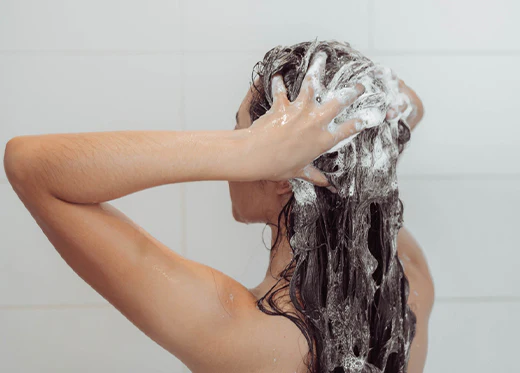
Washing matters for growth in a different way: it helps create the best environment for the follicle and reduces problems that can lead to shedding or breakage. The goal is not “less washing” or “more washing.” The goal is the right balance for your scalp and hair.
Why the Right Washing Schedule Helps You Grow Hair Longer?
When people say they want “hair growth,” they usually mean they want to see more length. Length comes from two things working together:
- Healthy growth from the scalp
- Low breakage at the ends

Getty Images
Washing frequency can influence both.
1. A Clean Scalp Supports Healthy Follicles
Oil, sweat, dead skin, and styling products can build up on the scalp. Over time, buildup may cause itching, flakes, clogged follicles, and inflammation. A comfortable, clean scalp is more likely to support consistent growth.
2. Less Breakage Helps You Keep the Length You Grow
Over-washing can strip natural oils, making hair dry and brittle. Dry hair tangles more easily and breaks more easily, which can make it feel like your hair is “not growing” even when it is.
3. Your Scalp Type Is the #1 Clue for How Often to Wash
Your scalp is skin. Some people naturally produce more oil, and some produce less. Washing based on your scalp (not just your hair texture) is often the fastest way to find the right routine.
Recommended Washing Frequency by Scalp Type and Hair Texture
| Scalp type | What it feels/looks like | Good starting point | Notes for growth-focused care |
|---|---|---|---|
| Oily scalp | Greasy roots within 24–48 hours, hair looks flat | Every 1–2 days | Regular gentle washing can reduce itch and buildup that may trigger shedding |
| Normal scalp | Comfortable, mild oil after a few days | 2–3 times per week | A balanced routine is usually easiest to maintain long-term |
| Dry scalp | Tight feeling, dry flakes, itch without oiliness | 1–2 times per week | Focus on gentle shampoo and scalp-friendly hydration, not harsh “deep cleansing” |
| Combination scalp | Oily roots, dry ends | 2–3 times per week | Shampoo the scalp, condition mid-lengths and ends well |
Use this table as a starting point, then adjust based on how your scalp feels and how your hair behaves.
How Hair Texture Changes the Best Wash Schedule?
Hair texture affects how quickly oil moves from your scalp down your strands.
Straight Hair
Oil spreads easily on straight hair, so it can look greasy faster. Many people with straight hair do best washing every 1–3 days, depending on scalp oil.
Wavy Hair
Wavy hair often does well with 2–3 washes per week. It can get oily at the roots while still feeling dry on the ends, so conditioning matters.
Curly and Coily Hair
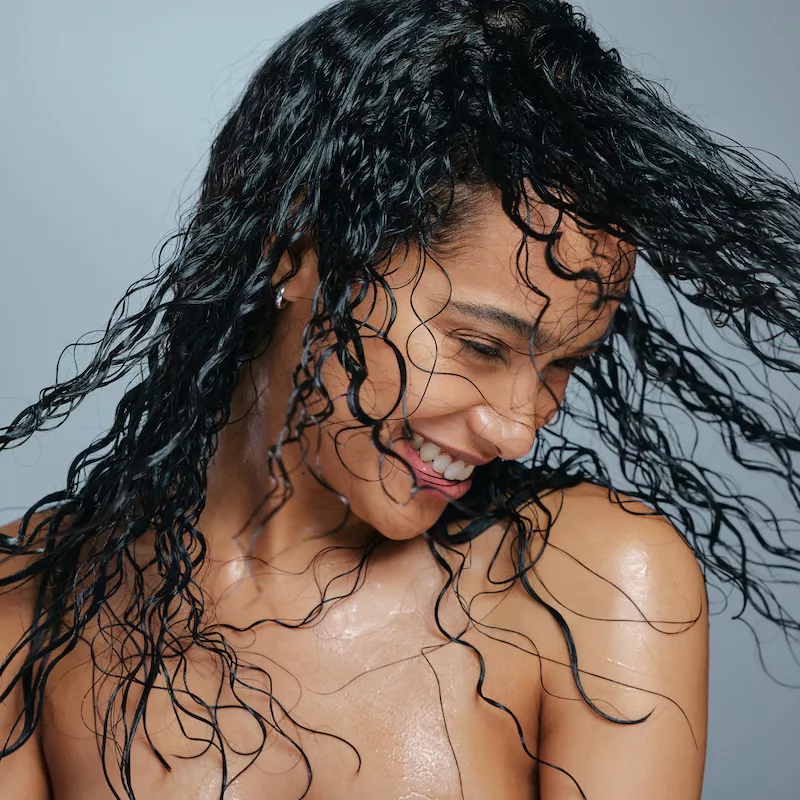
Curly and coily hair is often drier because oil does not travel down the hair as easily. Many people do best washing every 4–7 days, sometimes even every 7–10 days if the scalp stays comfortable and clean.
Getty Images
Fine Hair vs. Thick Hair
- Fine hair can look oily quickly and may need more frequent washing to keep the scalp fresh.
- Thick hair may handle longer gaps between washes, but the scalp still needs regular cleansing.
Lifestyle Factors That Change How Often You Should Wash
Even with the same hair type, your routine may change depending on your week.
1. Exercise and Sweating
If you sweat heavily, your scalp may need more frequent cleansing. Sweat and salt can irritate the scalp if they sit too long, especially if you also use dry shampoo often.
2. Product Use
If you use heavy styling creams, oils, hairspray, or waxes, you may need to wash more often or use a clarifying shampoo occasionally to prevent buildup.
3. Environment and Season
Hot, humid weather can increase oil and sweat. Cold weather and indoor heating can increase dryness. Many people naturally wash more often in summer and less often in winter.
4. Hard Water
Hard water can leave minerals on the hair and scalp, making hair feel coated and dull. If you suspect hard water, a clarifying wash once in a while may help.
Signs You Are Washing Too Often (Or Not Often Enough)
Your scalp gives clear signals when your routine is off.
| If you wash too often | If you do not wash often enough |
|---|---|
| Hair feels squeaky, dry, or rough | Scalp feels itchy, oily, or uncomfortable |
| Ends break easily, more split ends | Greasy roots and limp hair |
| Scalp feels tight or irritated | Flakes that stick to the scalp, possible odor |
| Hair tangles more after washing | Product buildup, dullness, or clogged-looking roots |
If you notice more shedding than usual for several weeks, or scalp redness and burning, it is smart to speak with a dermatologist.
So, How Often to Wash Hair for Growth? A Practical Answer
There is no single perfect number for everyone, but there are reliable ranges that work for most people trying to grow longer hair.
A Simple Growth-Friendly Starting Plan
- Oily scalp: every 1–2 days
- Normal scalp: 2–3 times per week
- Dry scalp: 1–2 times per week
- Curly/coily hair with a comfortable scalp: every 4–7 days
Then adjust based on your scalp comfort, buildup, and breakage.
The Best Wash Routine for Hair Growth (Step-by-Step)
Frequency helps, but your method matters just as much.
Getty Images
1. Shampoo the Scalp, Not the Length
Focus shampoo on the scalp using your fingertips (not nails). The lather that rinses down is usually enough to clean the mid-lengths and ends without drying them out.
2. Condition the Mid-Lengths and Ends
Conditioner helps reduce friction, tangles, and breakage. If your ends are dry, focus conditioner there and rinse well.
3. Do Not Overdo Hot Water
Warm water is fine, but very hot water can make hair feel drier. A cooler rinse at the end can help hair feel smoother.
4. Be Gentle When Hair Is Wet
Wet hair is more fragile. Use a wide-tooth comb or a gentle detangling brush, and avoid rough towel rubbing. Pat and squeeze water out instead.
Common Scalp Conditions That May Need More Frequent Washing
If you have ongoing flakes, itch, or irritation, the best routine may be different.
1. Dandruff or Seborrheic Dermatitis
These conditions often improve with regular washing and medicated shampoos. Many people need to wash more often during flare-ups, not less.
2. Scalp Psoriasis or Eczema
These conditions are more sensitive. Some people do better with fewer washes and very gentle products, while others need specific treatments. A dermatologist can help you choose the right plan.
3. Oily Scalp With Acne Around the Hairline
Regular cleansing can help reduce oil and product residue that may contribute to breakouts.
How to Choose a Shampoo That Supports Hair Growth?
No shampoo can magically speed up growth, but the right one supports your scalp and reduces breakage risks.
Look for Gentle Cleansing
If your hair feels dry after every wash, try a gentler shampoo. If you have lots of buildup, you may need a stronger cleanser occasionally.
Use Clarifying Shampoo When Needed (Not Daily)
A clarifying shampoo can remove heavy buildup from oils, silicones, and styling products. For many people, once every 2–4 weeks is enough. If your hair is very oily or you use many products, you may need it a bit more often.
Be Careful With Heavy Oils on the Scalp
Some oils feel soothing, but heavy oiling can trap buildup on some scalps. If you oil your scalp, use small amounts and wash it out well.
Example Wash Schedules You Can Copy
| Hair/scalp situation | Example weekly routine | Why it works for growth |
|---|---|---|
| Oily scalp, straight hair | Wash Mon/Wed/Fri/Sun (or every other day) | Keeps follicles clear and reduces itchy buildup |
| Normal scalp, wavy hair | Wash Tue/Fri, optional Sun | Balanced cleansing without drying the ends |
| Dry scalp, thick hair | Wash Wed/Sun | Protects moisture while still cleaning the scalp |
| Curly/coily hair, dry ends | Wash every 5–7 days + midweek scalp refresh with water or light leave-in | Reduces breakage and keeps scalp comfortable |
Hair Growth Mistakes to Avoid Around Wash Day
Small habits can slow your progress by increasing breakage.
- Scratching the scalp with nails while shampooing
- Piling hair roughly on top of the head and tangling it while washing
- Skipping conditioner when your ends are dry
- Brushing aggressively right after washing
- Using high heat on wet hair without protection
- Leaving heavy product buildup on the scalp for long periods
Conclusion
If you are looking for the best answer to how often to wash hair for growth, focus on scalp health and breakage control. Washing does not change the speed of growth at the root, but the right routine can help your scalp stay calm.
Start with your scalp type: oily scalps often do best washing every 1–2 days, normal scalps around 2–3 times per week, and dry or curly/coily hair often does well with 1–2 washes per week or every 4–7 days.
Then adjust based on itch, oil, flakes, and how your ends feel. The best schedule is the one that keeps your scalp comfortable and your hair breaking less.