

Fair skin can look very different depending on your hair color. Some shades can make your face look brighter and more fresh, while others can make your skin look pale, red, or washed out. That’s why choosing the right hair color matters.
This guide will help you pick hair colors that match your skin undertone, your eye color, and your personal style. It will also consider how much time you want to spend on hair color care.
There is no one “best” hair color for everyone with fair skin. The most important thing is your undertone (the natural warm, cool, or neutral color under your skin). Once you know that, it becomes much easier to find a shade that looks good on you.
How to Choose the Best Hair Color for Your Skin?
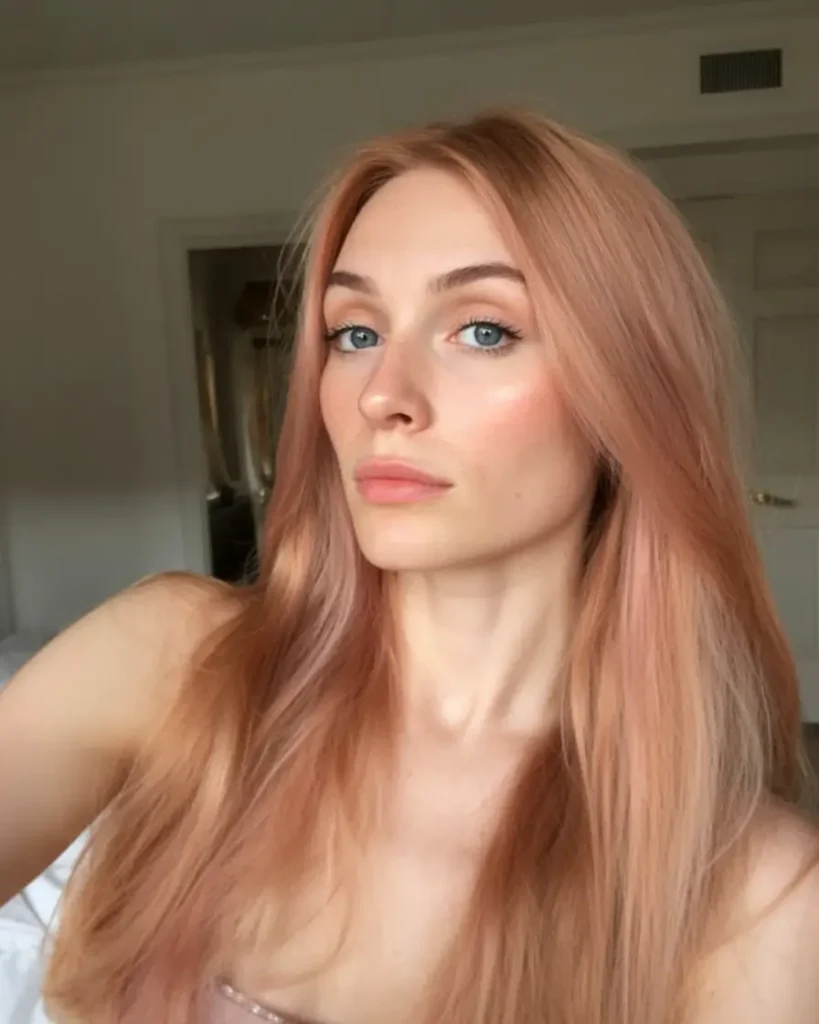
1) Find your skin undertone
Before you choose a hair color, it helps to know your skin undertone. Your undertone is the soft color under your skin. It does not change much, even if you get lighter in winter or darker in summer. Most people have a cool, warm, or neutral undertone.
Here are a few easy ways to check your undertone at home:
- Look at your veins on your wrist in natural light. If they look blue or purple, you may be cool. If they look green, you may be warm. If you see both, you may be neutral.
- Try jewelry: If silver looks better on you, you may be cool. If gold looks better, you may be warm. If both look good, you may be neutral.
- Think about the sun: If you burn easily, you may be cool. If you tan more easily, you may be warm or neutral.
Once you know your undertone, choosing the right hair color becomes much easier, because you can pick shades that match your natural skin tones.
2) Look at your natural hair and roots
Your natural hair color is a safe guide for what suits you. If you stay close to your roots, the color usually looks more natural. It also makes the grow-out easier and needs fewer salon visits. Big changes are possible, but they often need more care and touch-ups.
3) Match your hair color with your eye color
The right hair color can make your eyes stand out more. Blue or grey eyes often look great with cool blondes and cool browns. Green or hazel eyes often shine with copper, auburn, and warm browns. Brown eyes can suit many shades, like chocolate brown, bronde, or rich caramel.
4) Choose the right depth (light, medium, or dark)
Light hair gives a soft and gentle look on fair skin. Dark hair gives a bold look and creates strong contrast. Medium shades (like bronde or light brown) look balanced and natural. Pick the depth based on how strong or soft you want your overall look to be.
5) Think about maintenance and your lifestyle
Some colors need more work, like platinum blonde or bright red. They may need toner, special shampoo, and regular touch-ups. If you want something easy, try balayage, highlights, or a natural shade. Always choose a color you can keep up with comfortably.
Best Hair Colors for Fair Skin
Cool Undertones
Icy or Platinum Blonde: This shade looks bright and clean on cool fair skin. It can make your face look fresh and glowing.
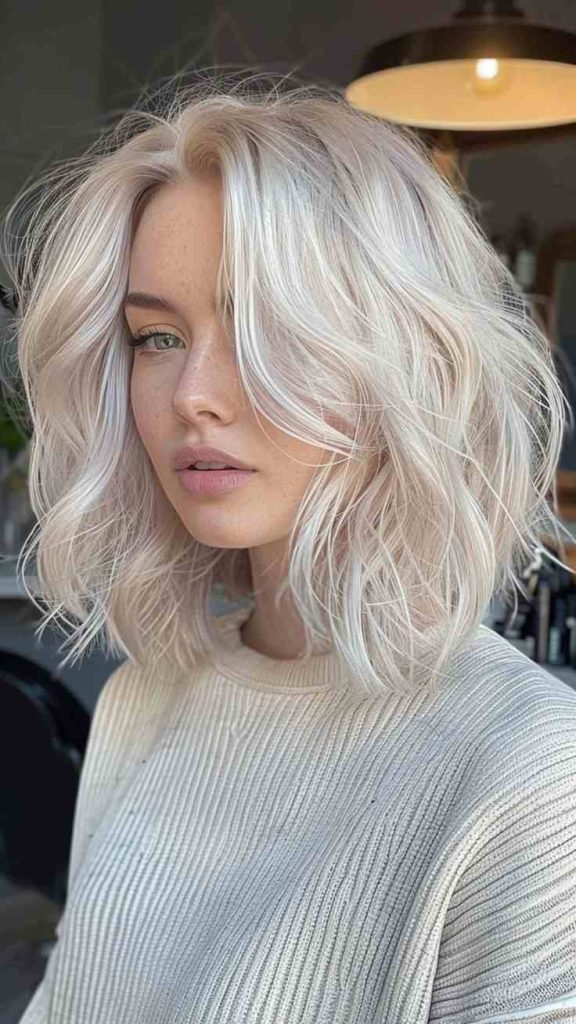
Ash Blonde: Ash blonde has a soft, cool tone that suits fair skin well. It can help balance pink or red tones in the skin.
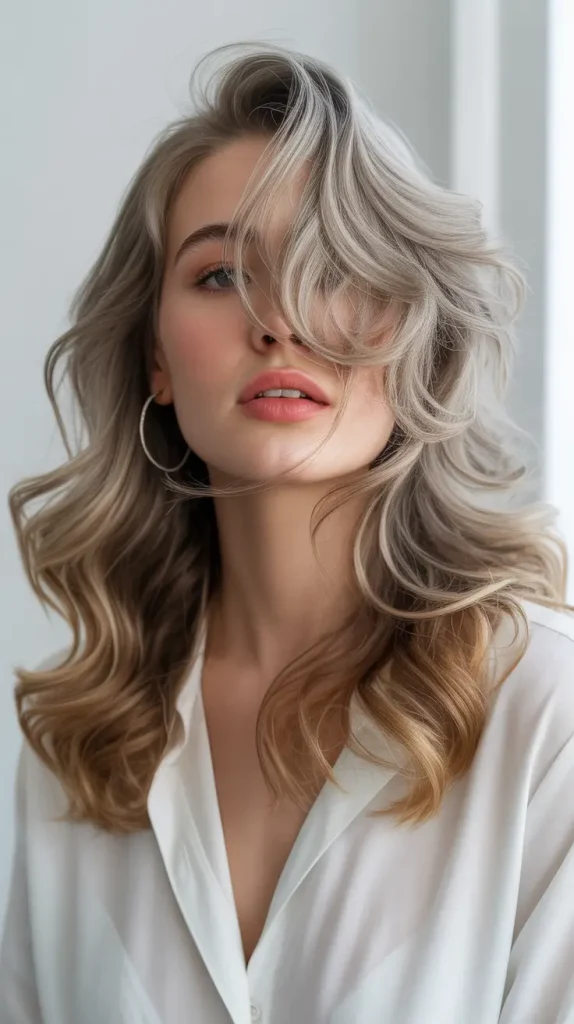
Cool Brown: Cool brown shades like ash brown look natural and soft. They give fair skin a nice contrast without looking too harsh.
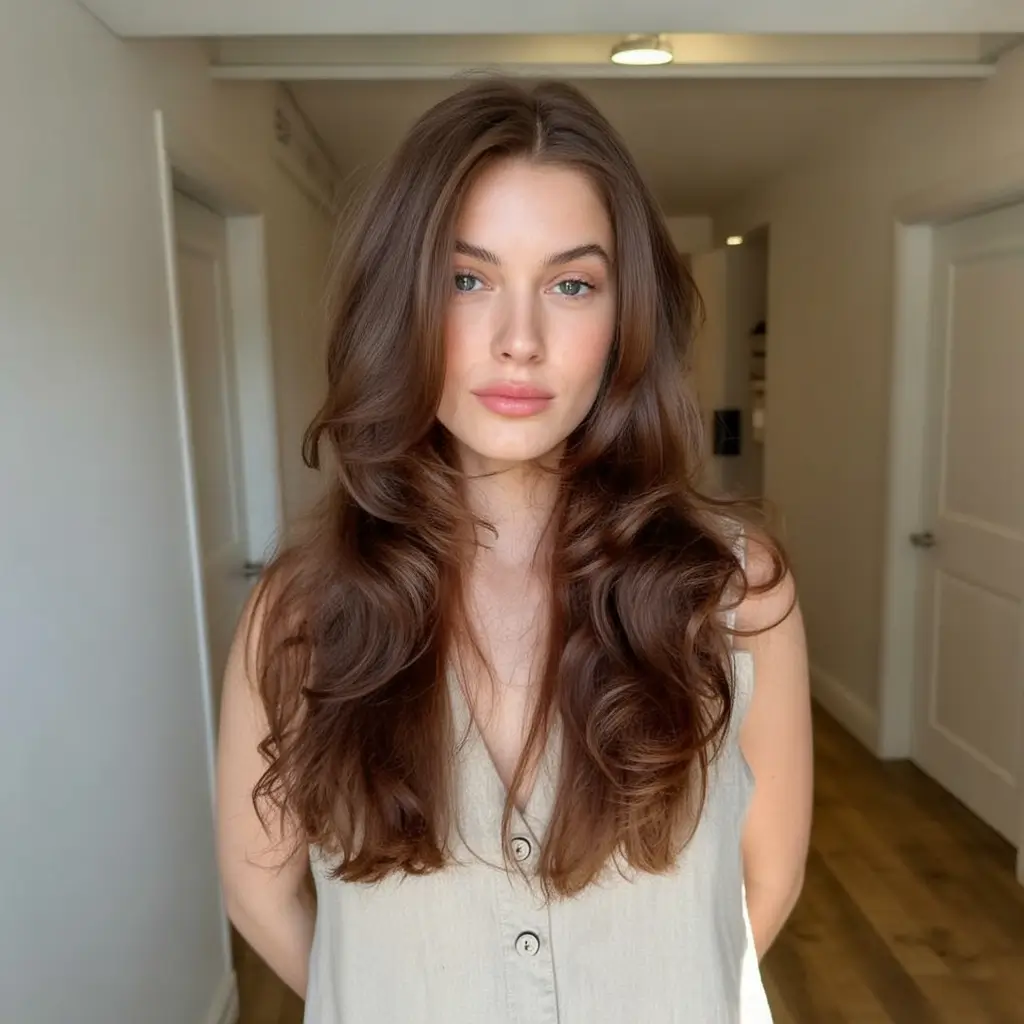
Warm Undertones
Golden Blonde: Golden blonde is bright and sunny. It looks lovely on fair skin with warm undertones.

Caramel Brown: Caramel brown gives a rich and warm look. It adds depth without making fair skin look dull.
Chestnut Brown: Chestnut brown is a warm and natural brown shade. It looks soft, balanced, and easy to wear.
Copper: Copper is a bold and warm red-orange shade. It can make fair skin look bright and full of life.
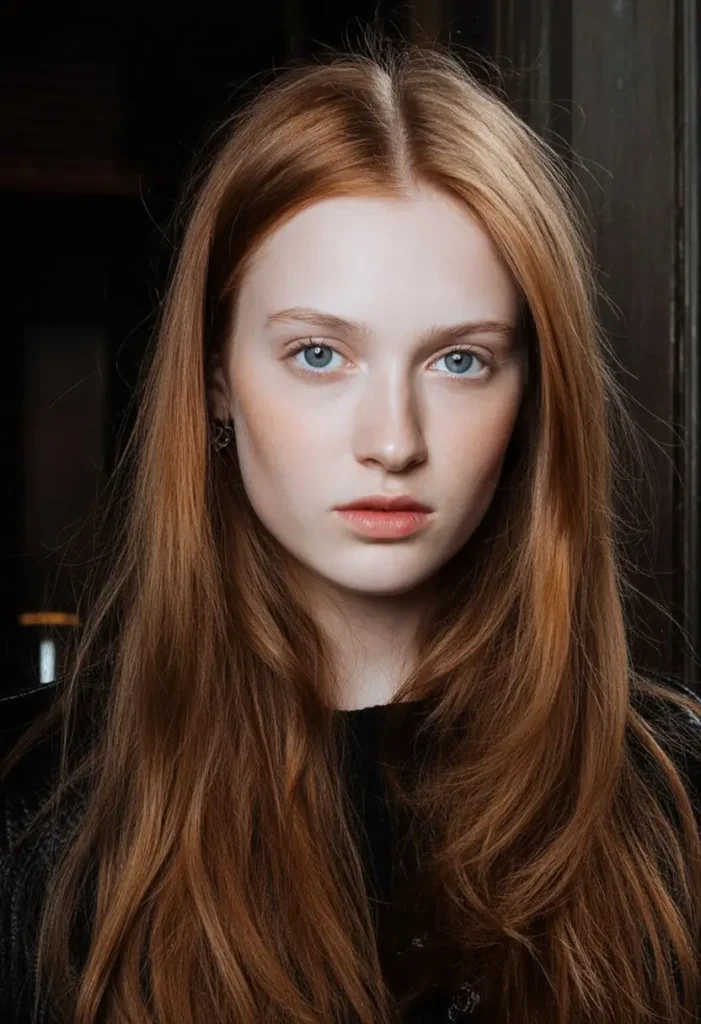
Auburn: Auburn is a mix of brown and red tones. It gives fair skin a warm and elegant look.

Neutral Undertones
Beige Blonde: Beige blonde is a balanced shade, not too warm or too cool. It looks soft and natural on fair neutral skin.

Bronde: Bronde is a mix of blonde and brown. It is a great choice if you want a natural and low-maintenance look.
Soft Chocolate Brown: Soft chocolate brown adds gentle richness to fair skin. It gives a smooth and flattering finish.

Natural Auburn: Natural auburn works well on neutral undertones. It adds warmth and color without looking too strong.
Choosing Depth: Light vs. Medium vs. Dark Hair on Fair Skin
1) Contrast changes your whole look
The darker your hair is compared to your fair skin, the more “contrast” you have. High contrast looks bold and sharp, while low contrast looks soft and natural.
2) High-contrast can look striking (dark hair + fair skin)
Dark brown or soft black with fair skin can make your eyes and face stand out more. It looks strong and stylish, but very jet-black hair can sometimes look too harsh on some people.
3) Low-contrast looks softer (light hair + fair skin) + easy harmony tip
Light blonde or bronde usually gives a gentle, fresh look because it blends more with fair skin. To make any depth look natural, try to stay close to your natural roots and eyebrow color, or adjust your brows a little to match.
Highlights vs. Full Hair Color: Which Looks Better on Fair Skin?
| Point | Highlights | Full Hair Color |
|---|---|---|
| What it is | Lighter (or darker) pieces added to your natural hair | One solid color from roots to ends |
| Best for fair skin | Gives a soft, natural look and adds dimension | Gives a clean, bold, and even look |
| How it changes your look | Small to medium change; brightens the face | Bigger change; can look more dramatic |
| Maintenance | Usually lower; grows out more smoothly | Usually higher; roots show faster |
| Touch-up time | Often every 8–12 weeks (or more) | Often every 4–8 weeks |
| Damage level | Can be less damage if done gently (like balayage) | Can be more if it includes full bleaching or frequent dye |
| Good if you want | A natural glow, softer contrast, easy grow-out | A full transformation or one strong shade |
| Best choice for beginners | Yes, a safe first step | Better if you’re sure about the shade |
| Cost | Can be medium to high, but fewer touch-ups | Can be lower per visit, but more frequent visits |
Salon vs. At-Home Dye: What Is Safer for Fair Skin Shades?
Both salon and at-home hair dye can work, but for fair skin, the tone of the color matters a lot. A small mistake can make hair look too yellow, too orange, or too dark, which can wash out fair skin.
Salon Dye (Usually Safer)
A professional colorist can match the right shade to your undertone (cool, warm, or neutral). They also know how to lift hair evenly, so the color does not turn brassy or patchy.
Salon help is best if you want platinum blonde, very dark hair, red tones, or if you are changing your color a lot. It costs more, but results are often more natural and balanced.
At-Home Dye (Safer for Small Changes)
At-home dye is okay if you want a simple change, like going slightly darker or refreshing your natural shade. Choose a color close to your current hair (1–2 shades difference) for the safest result.
Avoid strong bleach kits if you have never used them, because they can turn hair orange or damage it.
How to Maintain Your Hair Color?
- Use a color-safe shampoo: It helps your color last longer. Avoid strong anti-dandruff shampoos because they can fade color fast.
- Wash your hair less often: Washing every day can fade the color quickly. Try washing 2–3 times a week if possible.
- Use cool or lukewarm water
Hot water opens the hair and removes color faster. Cool water helps keep the color locked in. - Use a conditioner every time: Colored hair can get dry easily. Conditioner keeps hair soft and shiny.
- Use a hair mask once a week: A mask gives deep moisture and reduces damage. Healthy hair holds color better.
- Protect hair from heat: Heat tools can make color fade and turn brassy. Always use a heat protect spray before styling.
- Use purple shampoo (for blonde hair): Purple shampoo helps remove yellow or brassy tones. Use 1 time a week (too much can make hair look dull).
- Use a toner or gloss when needed: Toner keeps the shade looking fresh and balanced. A gloss adds shine and helps the color look new again.
- Protect hair from the sun: Sun can lighten and fade hair color. Wear a hat or use a UV hair spray when outside.
- Get regular touch-ups: Roots and color fade over time. Small touch-ups every few weeks keep the color looking neat.
Common Hair Color Mistakes People with Fair Skin Make
- Choosing a hair color without checking your skin undertone (cool, warm, or neutral). This can make your face look dull or “off” even if the color is nice.
- Picking very yellow or brassy blonde shades. These can wash out fair skin and make redness look stronger.
- Going for jet black or very dark shades that look too harsh. A softer dark brown often looks more natural on fair skin.
- Choosing very ashy, grey tones that can make fair skin look pale and tired. Neutral tones usually look more balanced.
- Not matching your eyebrows with your new hair color. If hair changes a lot, brows may look too dark or too light.
- Skipping toner and aftercare. Without the right shampoo, conditioner, and touch-ups, color can fade fast or turn brassy.
CONCLUSION
Choosing the best hair color for fair skin becomes easy when you start with one thing: your undertone. When your hair color matches your cool, warm, or neutral undertone, your skin looks brighter, your features look clearer, and the whole look feels natural. There is no single “perfect” shade for everyone, but there is always a shade that fits you.
If you are unsure, choose a soft, balanced color like beige blonde, bronde, or a natural brown, or start with highlights for a gentle change. The best choice is the one that suits your skin and also fits your lifestyle, so you can keep it looking fresh without stress.