
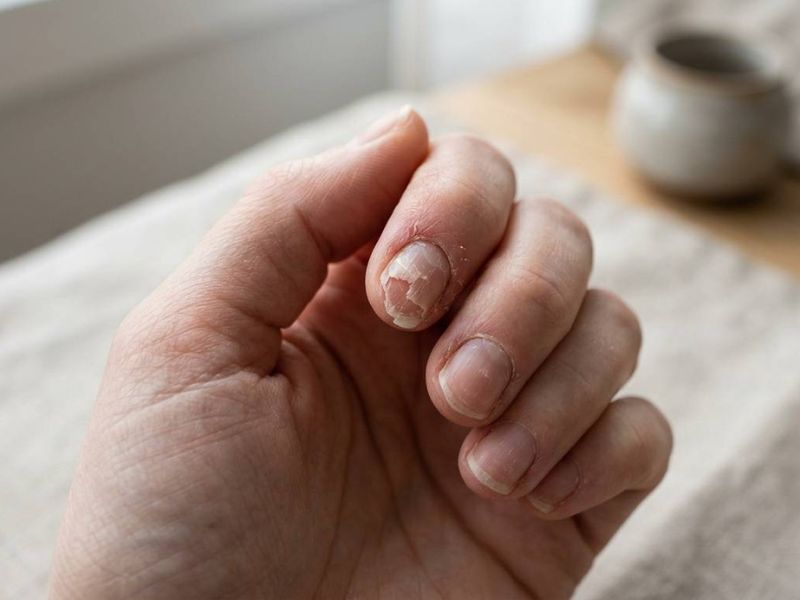
If your nails keep peeling, splitting, or snapping, you’re not alone. It can be frustrating because it often feels like nails should be “simple,” yet they can turn weak for many reasons. Sometimes it’s your daily habits, sometimes it’s the products you use, and sometimes your body is trying to tell you something.
This article explains what causes nails to break and peel easily in a clear, practical way. You’ll learn the most common causes, how to spot them, and what to do to help your nails grow stronger.
How Nails Break and Peel: What’s Happening
Your nails are made of layers of a protein called keratin. When those layers stay smooth and bonded, nails feel strong. When the layers get dry, damaged, or softened by water and chemicals, they start to separate. That’s when you see peeling at the tips, splits along the sides, and nails that bend and break.
Healthy nails need a balance: enough moisture to stay flexible, but not so much exposure to water and harsh products that the layers lift.
What Causes Nails to Break and Peel Easily?
Most nail problems come from a few repeated issues. You may have more than one cause happening at the same time.
Too Much Water Exposure (Yes, Water Can Weaken Nails)
Nails absorb water and swell, then shrink as they dry. When this happens often—handwashing, long showers, dishwashing—the layers can separate.
This is one of the most overlooked answers to what causes nails to break and peel easily, especially for people who clean often or work with water.
Harsh Chemicals and Cleaning Products
Household cleaners, dish soap, and some hand sanitizers strip oils from nails and skin. Over time, nails become dry and more likely to peel.
If you regularly use bleach or strong sprays without gloves, your nails may show damage quickly.
Overuse of Nail Polish Remover (Especially Acetone)
Acetone works fast, but it’s very drying. Frequent polish changes can leave nails thin, rough, and flaky at the edges.
This doesn’t mean you must avoid acetone forever, but you may need to use it less often and follow with oil and moisturizer.
Gel, Acrylic, or Dip Damage (Removal Is the Big Issue)
Gel and acrylics don’t always “ruin” nails by themselves. The most common damage comes from:
- peeling gel off
- aggressive filing
- scraping during removal
This can remove layers of the nail plate, leading to peeling that lasts for weeks.
Nails Used as Tools
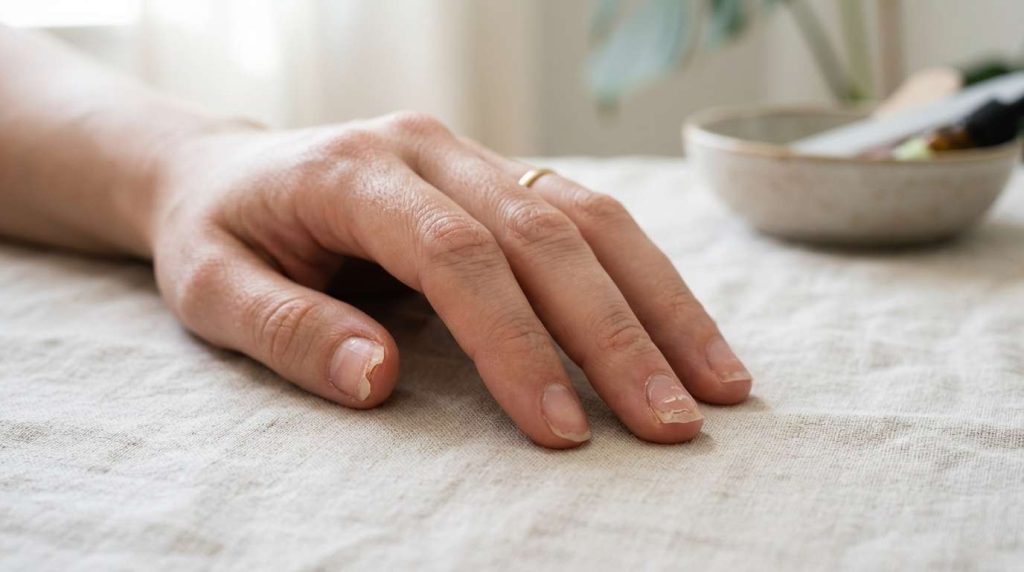
Opening cans, scratching labels, picking at stickers, tapping hard surfaces, or peeling off packaging puts stress on the nail edge.
Even if you don’t notice it, those tiny impacts can cause weak nails to chip and split.
Dryness and Not Enough Oil
Many people moisturize their hands but ignore nail oil. Nails need oils to stay flexible and keep layers bonded.
If your nails look dull, feel rough, or peel at the tips, dryness is often part of the problem.
Poor Nail Trimming or Filing Habits
Using dull clippers, tearing nails, or filing back-and-forth aggressively can create tiny cracks. Those cracks travel and become splits.
A gentle file in one direction and a smooth shape can reduce breakage a lot.
Frequent Hand Sanitizer Use
Some sanitizers contain high alcohol levels that dry the nail plate and cuticles. If your cuticles look rough and your nails peel soon after, sanitizer might be adding to the problem.
Moisturizing right after sanitizer use can help.
Low Iron or Other Nutrition Issues
Sometimes weak nails are internal, not just external. Low iron is a common cause of brittle nails. Low protein intake can also affect nail strength because nails are protein-based.
Other nutrients often linked to nail health include zinc, biotin, and vitamin D. It’s best to confirm deficiencies with a blood test instead of guessing.
Thyroid Problems
Both underactive and overactive thyroid conditions can affect hair and nails. You might notice brittle nails, slow growth, or changes in texture.
If nail problems come with fatigue, hair changes, or unexplained weight changes, it’s worth checking with a healthcare professional.
Aging and Hormone Changes
As we age, nails can naturally become drier and more fragile. Hormone changes can also affect how nails grow.
This is common, but it doesn’t mean you can’t improve nail strength with better care.
Medical Conditions and Skin Issues
Eczema, psoriasis, and fungal infections can affect the nail plate and cause splitting or peeling.
If you see discoloration (yellow, green, or white spots), thickening, lifting, or pain, get it checked to avoid worsening damage.
Quick Table: Signs and Common Causes
This table helps you match what you see to what might be causing it.
| What you notice | Common cause | What usually helps |
|---|---|---|
| Peeling layers at the tips | Water exposure, dryness, removers | Gloves, nail oil, fewer polish removals |
| Nails bend easily then snap | Over-filed nails, gel removal damage | Break from enhancements, gentle care |
| Vertical splits | Dryness, aging, trauma | Oil, moisturizer, protective base coat |
| White rough patches | Over-buffing, aggressive filing | Stop buffing, moisturize, let nails grow out |
| Yellow thick nails | Possible fungus | Medical evaluation, proper treatment |
Daily Habits That Make Nails Stronger
If you’re trying to fix what causes nails to break and peel easily, consistent habits matter more than one “miracle” product.
Wear Gloves for Dishes and Cleaning
This is one of the fastest fixes. Less water and fewer chemicals equals less peeling.
Use Cuticle Oil Every Day
Apply oil at least once daily, ideally after washing hands and before bed. Oil helps keep nail layers flexible and reduces splitting.
Choose Gentle Filing
Use a glass file or a fine-grit file. Shape nails without sawing back and forth.
A rounded or squoval shape often breaks less than sharp square corners.
Keep Nails at a Practical Length
If your nails are already peeling, keeping them shorter reduces leverage and prevents breaks while they recover.
Use a Protective Base Coat
A strengthening base coat or ridge-filling base can add a thin protective layer. Look for options that don’t make nails feel stiff and brittle.
What to Avoid While Nails Are Recovering
Some things slow down healing even if you’re doing everything else right.
Avoid Picking and Peeling Polish
Peeling off polish can take nail layers with it, similar to peeling gel.
Avoid Heavy Buffing
Buffing can make nails look smooth short-term, but it removes layers. If your nails are already thin, buffing usually makes peeling worse.
Avoid Constant Polish Changes
If you remove polish every 2–3 days, nails often get drier. Try leaving polish on longer or switching to a gentle remover routine with oil after.
Should You Take Biotin for Peeling Nails?
Biotin helps some people, especially if they have brittle nails. But it’s not a guaranteed fix, and it can interfere with certain lab tests.
If you want to try it, it’s smart to talk with a healthcare provider and let your lab know if you take biotin before any bloodwork.
When to See a Doctor
At-home care helps most mild peeling, but you should get checked if:
- your nails change color, thicken, or lift from the nail bed
- you have pain, swelling, or signs of infection
- peeling continues for months despite good nail care
- you have other symptoms like fatigue, hair thinning, or skin rashes
A doctor or dermatologist can check for fungal infection, eczema/psoriasis, thyroid issues, or nutrient deficiencies.
Conclusion
So, what causes nails to break and peel easily? The most common reasons are frequent water exposure, harsh chemicals, drying removers, damage from gel or acrylic removal, and everyday nail “tool” habits. In some cases, nutrition issues, thyroid problems, or skin conditions can also play a role.
The best approach is to protect nails from water and chemicals, moisturize with nail oil daily, file gently, and give damaged nails time to grow out. With steady care, most nails become noticeably stronger within a few weeks.