
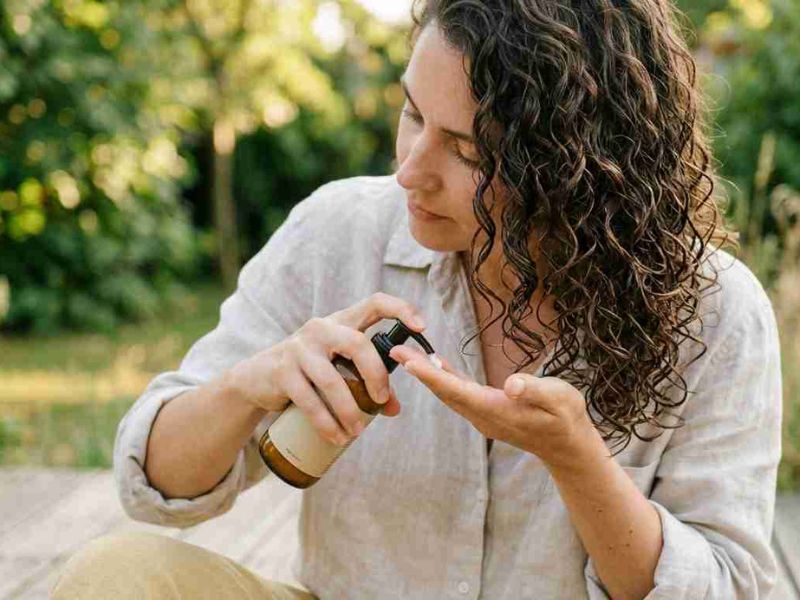
Summer can be tough on curls. Heat, sun, sweat, humidity, pool chlorine, and saltwater can all pull moisture out of your hair or make it swell and frizz. The good news is that you can keep curly hair moisturized in summer with a routine that focuses on gentle cleansing, steady hydration, and smart protection.
This article walks you through practical steps you can start right away, plus a few easy product and ingredient tips to help your curls stay soft, defined, and healthy.
Why Curly Hair Gets Drier in Summer?
Curly hair is naturally more prone to dryness because scalp oils do not travel down the hair shaft as easily. In summer, extra stressors make that dryness worse.
Sun exposure and heat
UV rays can weaken the hair’s outer layer, leading to roughness, dullness, and breakage. Heat also increases water loss from the hair.
Humidity swings
Humidity can cause curls to puff up and frizz. In very dry heat, hair can feel brittle and tight. Many people deal with both in the same week.
Chlorine and saltwater
Chlorine strips oils and can leave hair stiff. Saltwater can dehydrate hair and tangle it, especially if you let it dry in the sun.
Hydration vs. Moisture: The Quick Difference
People often use these words the same way, but they are not exactly the same.
Hydration
Hydration is adding water to the hair (or water-based products). Curly hair usually needs more hydration in summer.
Moisture
Moisture is keeping that hydration in the hair by smoothing and sealing the cuticle with conditioners, oils, creams, and gels.
If your hair feels dry again an hour after wash day, you may be getting hydration without enough sealing.
A Simple Summer Wash Day Routine for Moisturized Curls
Consistency matters more than having a huge product collection. A basic routine can go a long way.
Start with a gentle cleanse
Use a sulfate-free shampoo or a cleansing conditioner if your scalp tolerates it. In summer, sweat and sunscreen can build up, so your scalp may need a more thorough wash than usual.
If your hair starts feeling coated or your curls won’t clump, clarify every few weeks with a stronger cleanser, then follow with a rich conditioner.
Condition with slip to prevent tangles
Choose a conditioner that gives good slip so you can detangle gently. Summer dryness plus wind can create more knots than normal.
Detangle with your fingers or a wide-tooth comb while the conditioner is in, then rinse with cool or lukewarm water.
Deep condition regularly
Deep conditioning is one of the best ways to keep curly hair moisturized in summer. Try once a week or every other week depending on how dry your hair feels.
If your curls are color-treated or you swim often, you may need deep conditioning weekly.
Layer leave-in, cream, and gel (as needed)
A simple layering approach helps lock in hydration:
- Leave-in conditioner for water-based hydration
- Curl cream (optional) for softness and shape
- Gel or mousse for hold and frizz control
Finish with a small amount of lightweight oil if your hair needs extra sealing, especially on the ends.
Summer Moisture Routine: What to Do on Non-Wash Days
Non-wash days are where curls often lose moisture. Refreshing the right way prevents dryness and reduces breakage.
Use a water-based refresh
Lightly mist your hair with water or a water-based curl refresher. Then smooth a small amount of leave-in over the driest areas.
Avoid piling on heavy products day after day. If your refresh starts looking dull or sticky, it may be time to wash or clarify.
Seal the ends
The ends are the oldest, driest part of your hair. Use a tiny amount of oil or butter on the ends only if they feel rough.
Protect your hair while you sleep
Friction dries hair out fast. Use a satin bonnet, satin scarf, or satin pillowcase. A loose pineapple or a few large twists can help keep curls from tangling overnight.

How to Protect Curly Hair from Sun, Pool, and Beach?
Protection is a big part of keeping moisture in.
Before swimming, soak and coat
Wet your hair with clean water first, then apply conditioner or a leave-in. Hair that is already soaked absorbs less chlorine or salt.
If you swim often, consider a swim cap and clarify regularly to prevent buildup.
Rinse immediately after
Rinse your hair as soon as you can. Then follow with conditioner, even if you are not doing a full wash.
Cover up in direct sun
A hat or scarf is a simple way to reduce UV damage. You can also look for hair products that mention UV filters.
Choose Products and Ingredients That Help Summer Moisture
Your product choices can make summer much easier.
Look for humectants, but use them smartly
Humectants pull water toward the hair. They can help in moderate humidity, but in extreme humidity they may increase frizz for some people.
Common humectants include glycerin, honey, aloe vera, and panthenol.
Use sealants to lock moisture
Light oils and butters can slow down moisture loss and reduce roughness. If your hair gets weighed down easily, use less and focus on the ends.
Ingredient cheat sheet
This table can help you read labels faster.
| Hair need | Helpful ingredients | What they do |
|---|---|---|
| Hydration | Aloe vera, glycerin, panthenol, honey | Attract or hold water in the hair |
| Slip and softness | Behentrimonium methosulfate, cetyl alcohol, stearyl alcohol | Improve detangling and smoothness |
| Sealing and shine | Argan oil, jojoba oil, grapeseed oil, shea butter | Reduce moisture loss and dryness |
| Damage support | Hydrolyzed proteins (silk, wheat, keratin) | Strengthen and improve elasticity when used in balance |
Adjust Your Routine Based on Your Hair’s Porosity
Porosity affects how your hair absorbs and holds water.
Low porosity curls
Low porosity hair can resist moisture and get buildup easily. Use lighter leave-ins, apply products on very wet hair, and clarify when needed. Heat (like a warm towel) can help deep conditioner absorb.
High porosity curls
High porosity hair absorbs water quickly but loses it fast. Use richer conditioners, layer products for sealing, and consider occasional protein treatments if your hair feels weak or overly soft.
Quick routine guide by porosity
| Porosity | What usually helps most in summer | Common mistake to avoid |
|---|---|---|
| Low | Light layers, regular clarifying, deep conditioning with gentle heat | Using heavy oils that sit on top and cause buildup |
| Medium | Balanced routine: hydrate + seal, refresh lightly | Skipping deep conditioning for too long |
| High | Rich conditioner, leave-in + gel, sealing oils on ends, occasional protein | Over-washing without enough conditioning |
Common Summer Problems and Fast Fixes
Frizz that shows up right after styling
This often means you need better hold or you are touching your hair while it dries. Try a stronger gel and let hair dry fully before separating curls.
Dry, crunchy ends
Trim if needed, then focus on deep conditioning and sealing the ends. Also check your heat styling habits and sun exposure.
Hair feels coated and won’t absorb products
That is usually buildup from sweat, oils, silicones, or hard water. Clarify, then deep condition to bring curls back.
Quick fixes table
| Problem | Likely cause | What to do |
|---|---|---|
| Hair feels dry the next day | Not enough sealing, too little leave-in | Add leave-in on refresh days, seal ends lightly |
| Curls limp and greasy | Too much product, scalp not clean enough | Use a gentle shampoo, reduce heavy creams/oils |
| Frizz in humidity | Not enough hold, humectants reacting | Use a stronger gel, try less glycerin-heavy products |
| Stiff after swimming | Chlorine or salt buildup | Rinse ASAP, clarify as needed, deep condition |
Conclusion
To keep curly hair moisturized in summer, focus on three things: hydrate with water-based products, lock it in with conditioner and smart styling layers, and protect your hair from sun, chlorine, and saltwater.
Small habits like pre-soaking before swimming, deep conditioning regularly, and using satin at night can make a big difference in how your curls feel and look all season.